
2026 IES Signing Bonus Recipients

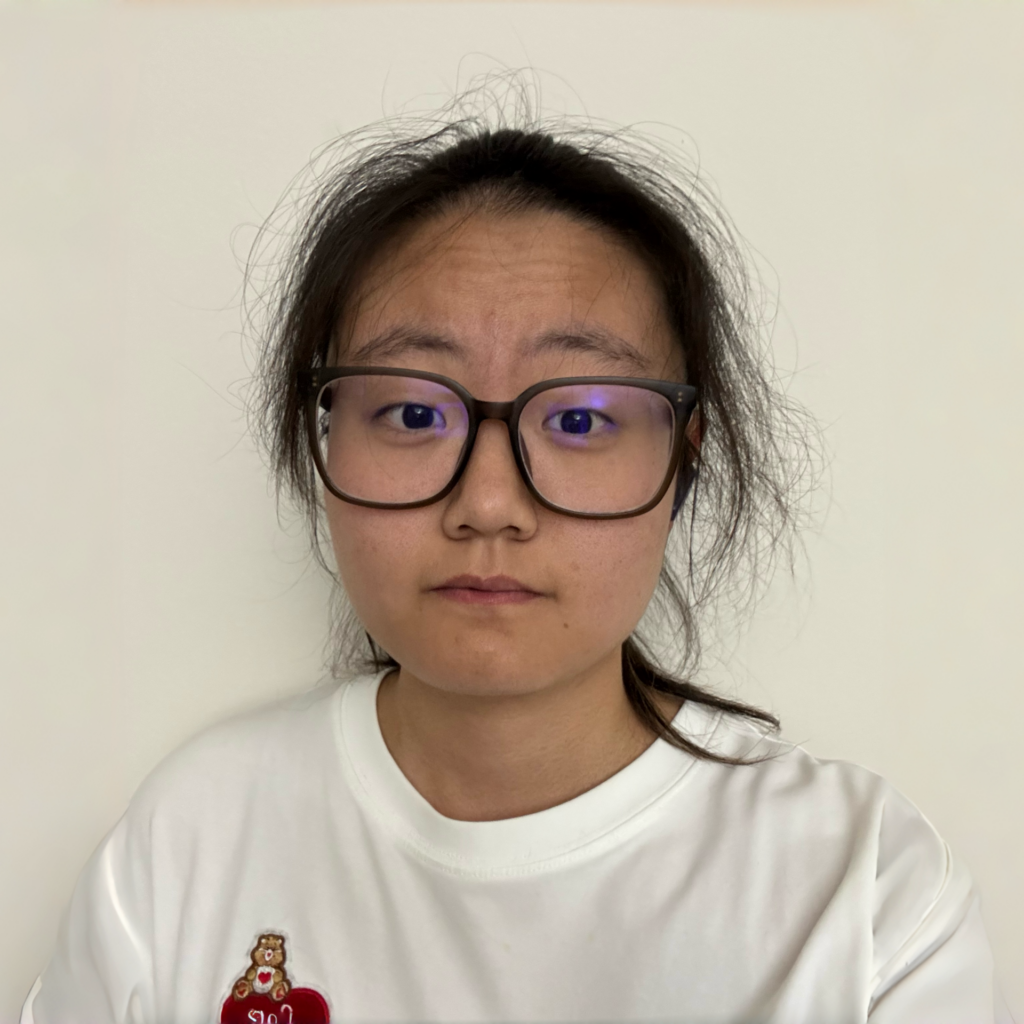
Yihao Geng – Robotics, College of Engineering
Yihao Geng is an incoming Ph.D. student in the Robotics Department whose research focuses on the design and development of energy-efficient robotic systems. With a specific emphasis on micro-robotics, he has developed a low-cost-of-transport screw driven robot for versatile mobility across challenging environments. Additionally, Yihao’s work in the field of soft robotics includes the development of active control mechanisms for suction cups to facilitate highly energy-efficient operations.
Zhi Li – Mechanical Engineering, College of Engineering
Zhi Li earned her master’s degree in Mechanical Engineering from the University of Michigan in 2026. During her master’s studies, she developed a hardware-in-the-loop (HIL) testbed for an oscillating surge wave energy converter and experimentally demonstrated the testbed’s feasibility for evaluating power take-off (PTO) control methods. This work deepened her interest in HIL testing, real-time control, and the experimental evaluation of renewable energy systems.
Li will pursue her PhD in Mechanical Engineering at the University of Michigan under the guidance of Professor Lei Zuo. Her research will focus on developing a universal, modular 100-kW HIL testbed, with particular emphasis on robust HIL control methods and PTO control strategies for wave energy converters. Through this work, she hopes to provide a flexible and reliable platform for evaluating different PTO technologies and control strategies under realistic operating conditions, thereby accelerating the development of efficient and cost-effective marine energy systems.
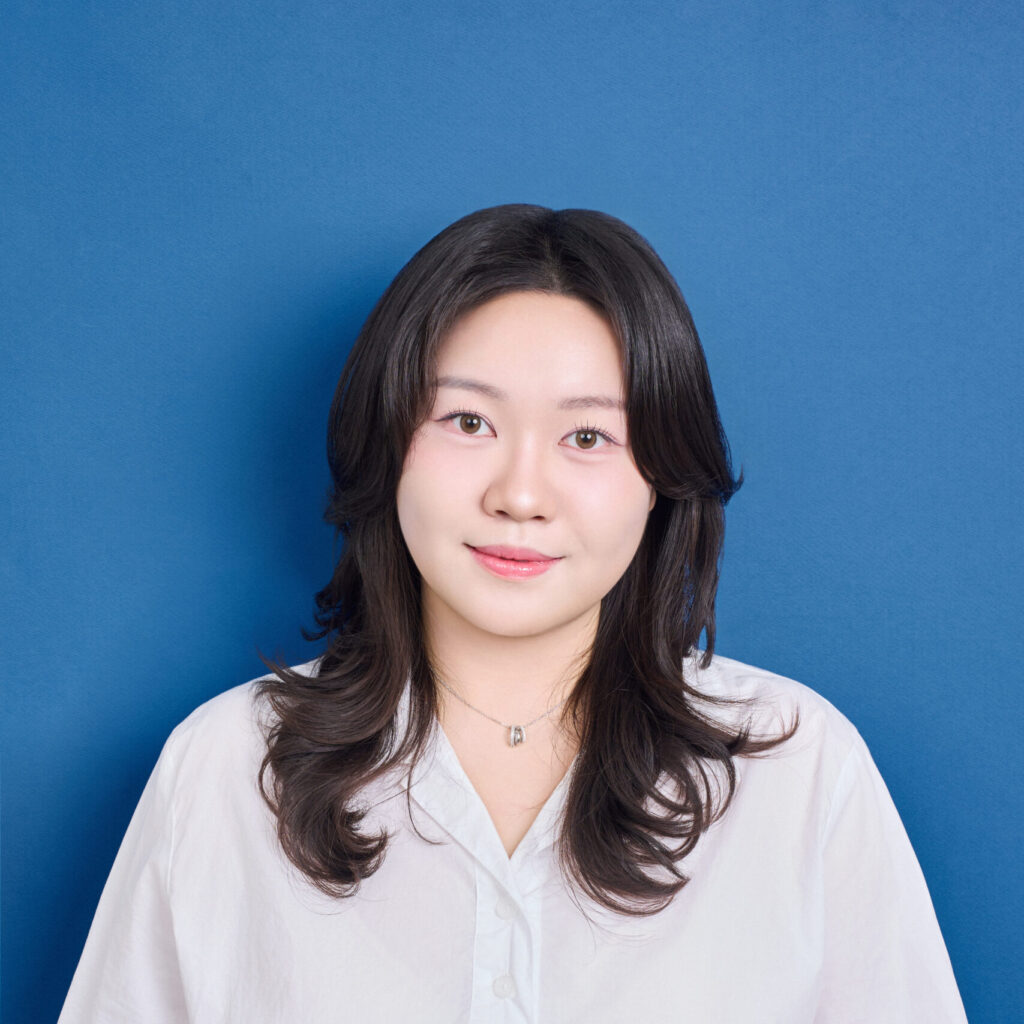
Jiwoo Lee – School for Environment and Sustainability
Jiwoo Lee is an incoming PhD student at the University of Michigan School for Environment and Sustainability (SEAS), with a background in landscape architecture, environmental planning, and spatial planning. Prior to joining SEAS, she conducted policy-support research and participated in a range of research and development (R&D) projects at the Korea Research Institute for Human Settlements (KRIHS) and the Korea Environment Institute (KEI). Her research interests center on the integration of spatial planning and landscape approaches into climate mitigation and adaptation. At Michigan, she is working with Professor Yekang Ko on research related to renewable energy landscapes, with a particular focus on place-based planning approaches that integrate energy production and decarbonization with ecosystem services, climate resilience, and community needs.
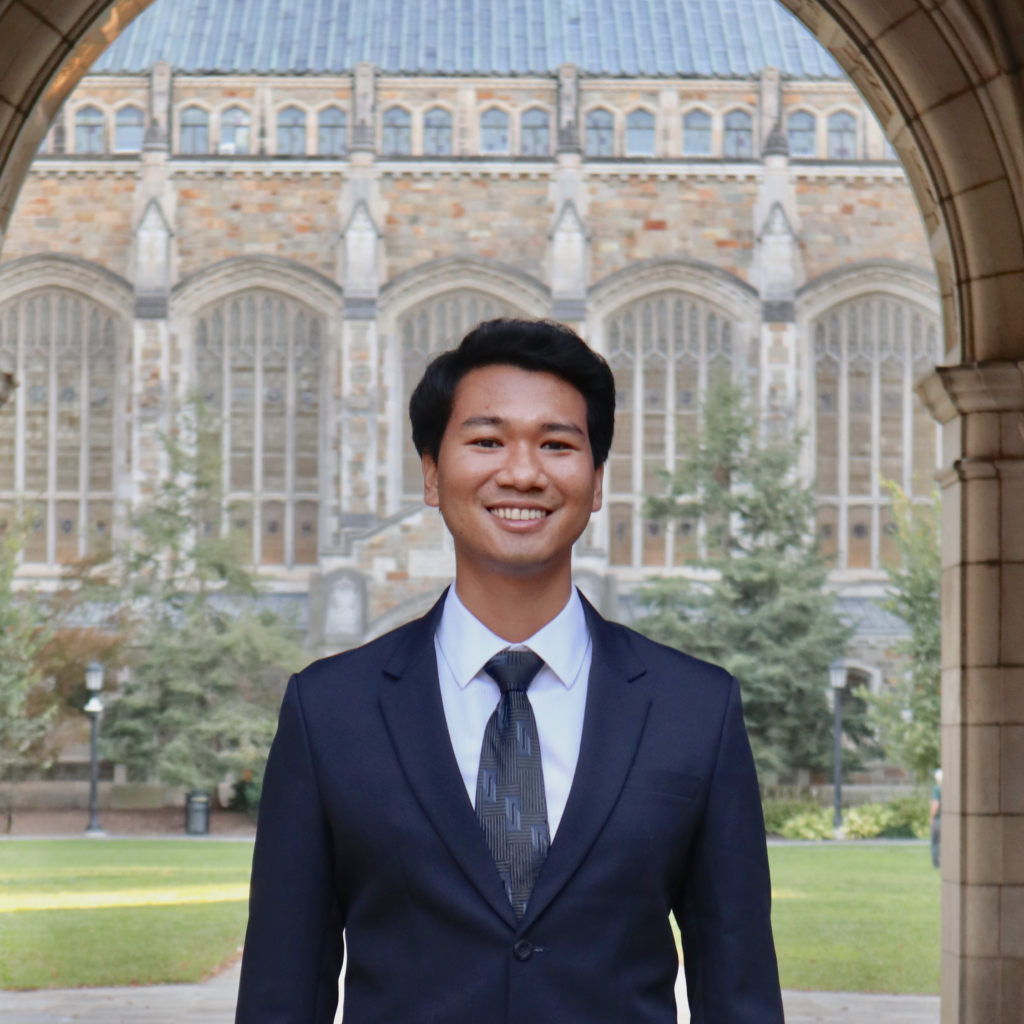
Chatchai (Got) Karuna – Mechanical Engineering, College of Engineering
Chatchai Karuna graduated with a BEng in Mechanical Engineering from King Mongkut’s University of Technology Thonburi in Thailand in 2022. He then received a Royal Thai Government Scholarship to pursue a master’s degree in Energy Systems Engineering at the University of Michigan, which he completed in 2025. Before beginning his graduate studies, Karuna worked as a mechanical engineer with the Department of Alternative Energy Development and Efficiency (DEDE), Ministry of Energy, Thailand, where he was involved in energy conservation and renewable energy initiatives. Through his work in Thailand’s energy sector, he developed a strong interest in the challenges of implementing sustainable energy systems, particularly in rural and underserved communities. Working with Professor Sita Syal’s EMBERlab, Karuna plans to focus his PhD research on sustainable energy systems, with particular interests in microgrids, energy transitions, and the implementation of renewable energy solutions that can better serve communities.
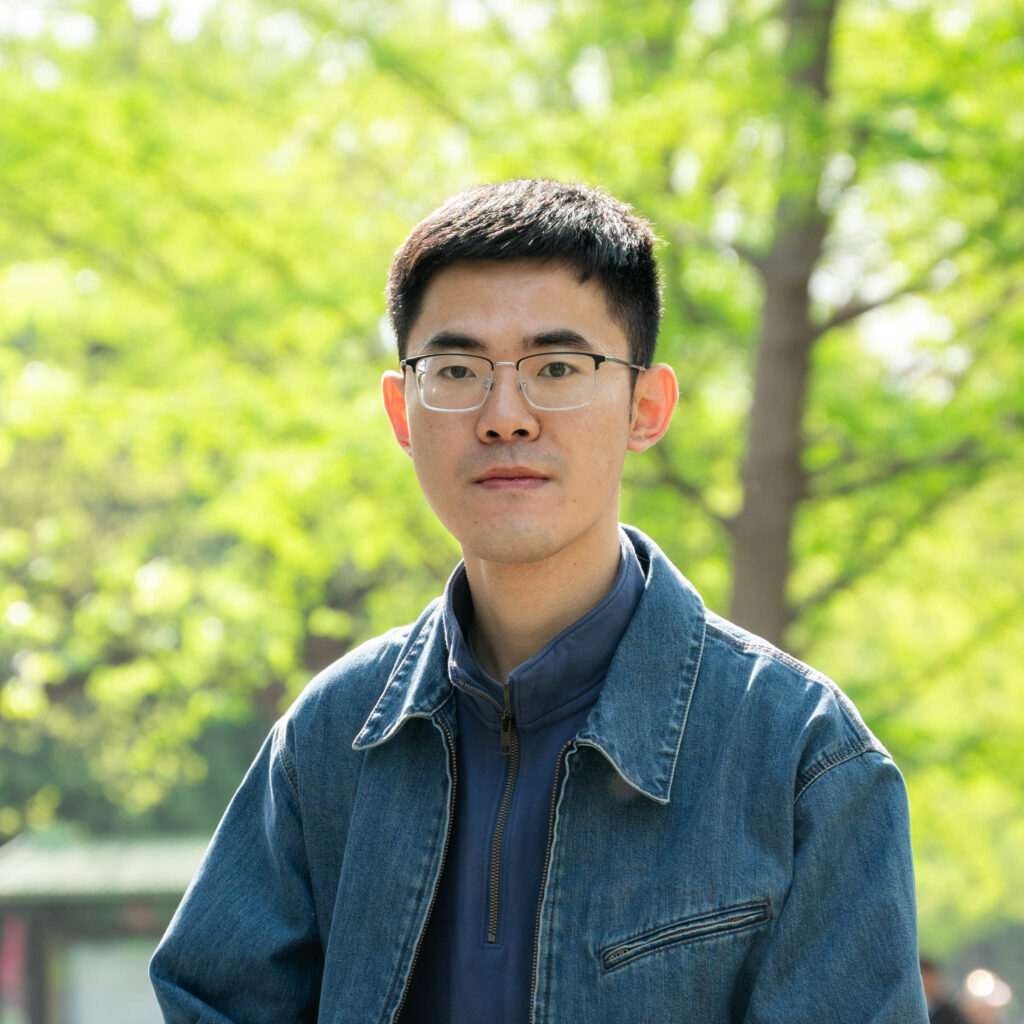
Yeyu Tan – Electrical and Computer Engineering, College of Engineering
Yeyu Tan is an incoming PhD student in Electrical and Computer Engineering at the University of Michigan. He received his M.S. in Artificial Intelligence (Electronic Information) from Xi’an Jiaotong University. His research interests lie in machine learning, signal processing, and information-theoretic methods, with a focus on battery state estimation. His previous work explored robust methods for battery state estimation under complex and dynamic operating conditions, contributing to the safe and reliable operation of lithium-ion batteries in electric vehicles and energy storage systems. Under the supervision of Prof. Ziyou Song, his doctoral research will focus on integrating battery physical models with data-driven techniques to enhance battery state estimation and condition monitoring, ultimately supporting the safe and efficient operation of modern energy storage technologies.