
Energy Seminar Series – Winter 2025
January 16, 2025
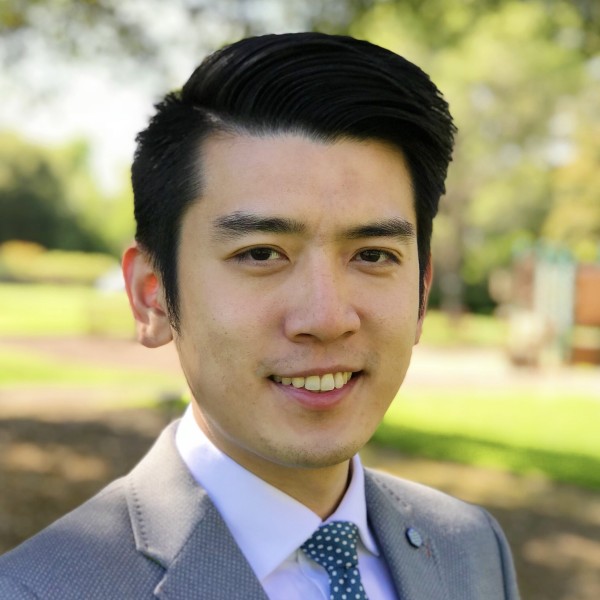
Po-Chun Hsu, University of Chicago: Electrochemically Active Metasurfaces and Radiative Thermoregulating Materials for
Human-Building-Energy Nexus
Hosted by Yiyang Li
Biography
Po-Chun Hsu is an Assistant Professor at the Pritzker School of Molecular Engineering at the University of Chicago, focusing on light- and heat-managing materials for energy, sustainability, and health. He earned his PhD in Materials Science and Engineering and was a postdoctoral researcher in Mechanical Engineering, both at Stanford University. Before joining the University of Chicago, he was an Assistant Professor of Mechanical Engineering and Materials Science at Duke University from 2019 to 2022. He is a recipient of the NSF CAREER Award, shortlist for the Falling Walls Science Breakthrough of the Year 2023, EcoMat Young Researcher Award, Ralph E. Powe Junior Faculty Enhancement Awards, MIT Technology Review Innovators Under 35 (China), Clarivate Analytics Highly Cited Researchers, and Sony Faculty Innovation Award. His project in cooling textiles was selected as Top Ten World-Changing Ideas by Scientific American.
Abstract
Global warming is essentially an optothermal problem which the balance between solar heat gain and radiative heat loss is changed by the greenhouse gas emission. Immense opportunities for energy and sustainability lie in understanding and manipulating materials’ optical properties, which can originate from multiple length scales, from free charge carriers and the bound vibrational mode to nanocavity resonances. Meanwhile, electrochemistry is a powerful tuning knob for inducing drastic optical property change, varying the carrier density or even trigger a phase transformation in an electrically addressable manner, which is particularly desirable in many energy and sustainability applications where tunable range, scalability, and non-volatility are crucial. Integrating with metasurface concepts will provide additional degrees of freedom to boost performance and achieve multifunctional control. In this talk, I will present our research group’s recent progress in three aspects: (i) Wearable photon-engineered textile for multispectral and multifunctional radiative heating and cooling. (ii) High-metallicity electrochromic polyaniline for near-perfect dynamic thermal meta-emitter. (iii) Reversible metal electrodeposition for solar and mid-infrared control for all-year-round renewable thermoregulation for net-zero-energy buildings.
Synopsis by Zach Pizzo, 2nd Year PhD Candidate in Chemical Engineering
The Human-Building-Energy Nexus, which involves the interplay between human thermal comfort, building heating and cooling, and energy sustainability, is critically important for shaping the future of modern society. The seminar, titled “Electrochemically Active Metasurfaces and Radiative Thermoregulating Materials for the Human-Building-Energy Nexus,” was presented on January 16th, 2025, by Professor Po-Chun Hsu, Assistant Professor at the Pritzker School of Molecular Engineering, University of Chicago.
In the first portion of the talk, Professor Hsu highlighted his group’s recent work published in Science, titled “Spectrally Engineered Textile for Radiative Cooling Against Urban Heat Islands.” This research addresses the challenge of mitigating urban heat island effects by developing a novel spectrally engineered hierarchical textile (SSHF). The SSHF features dual-function emissivity: the outward-facing side selectively emits radiation in the atmospheric transmission window, facilitating effective heat dissipation into outer space, while the inward-facing side exhibits broadband emissivity to enhance cooling near the body. This innovative design minimizes heat absorption from surrounding surfaces, such as the ground and buildings. Experimental results demonstrate that the SSHF remains 2.3 °C cooler than a broadband emitter when oriented vertically and 6.2 °C cooler than the ambient temperature when oriented horizontally. Additionally, the textile’s excellent wearability makes it a promising solution for personal cooling in densely populated areas. However, there are limitations regarding its relatively high cost and scalability that still need to be addressed before commercialization can be considered.
In the second portion of the talk, Professor Hsu discussed his group’s work published in Nature Sustainability, titled “Dynamic Electrochromism for All-Season Thermoregulation.” This research focuses on a novel building material envelope design that employs electrochromism to dynamically tune thermal emissivity. The system, based on a graphene electrode with reversible copper electrodeposition, achieves emissivity values ranging from 0.07 to 0.92, offering significant flexibility for thermal regulation. Simulations indicate that this design could reduce HVAC energy consumption by up to 43.1 MBtu annually, highlighting its potential for energy-efficient building envelope applications.
Professor Hsu also referenced related work published in ACS Energy Letters, which described the development of a flexible ultra-wideband transparent conducting electrode leveraging electrochromism. This system demonstrated emissivity tunability from 0.12 to 0.94, enabling advanced heat management through synergistic solar and mid-IR control. Lastly, the talk touched on the group’s recent progress in designing high-conductivity polyaniline polymers for wearable thermoregulation and dynamically tunable broadband mid-IR meta-emission.
Reflecting on this seminar, I found Professor Hsu’s work particularly inspiring as it bridges fundamental materials science with practical applications that address both individual and societal energy challenges. The integration of radiative cooling materials and dynamic emissivity into everyday infrastructure aligns with the broader goal of enhancing energy efficiency while mitigating the effects of climate change. From the perspective of my own research on improving the efficiency, stability, and scalability of perovskite solar cells, this seminar highlighted the importance of pursuing interdisciplinary solutions to global energy challenges. While my work focuses on more effectively harvesting solar energy, Professor Hsu’s innovations highlight how complementary approaches—such as reducing energy consumption in buildings and enhancing personal cooling—are also essential for achieving a sustainable energy future. These efforts remind me of the interconnected nature of the energy landscape, specifically that every technological advancement contributes to the common goals of reducing demand for fossil fuels and improving energy equity worldwide.
February 6, 2025

Richard Laine, University of Michigan: Agricultural Waste Derived Anodes for Lithium and Sodium Ion Batteries
Internal Speaker
Biography
Major research areas for the Laine group include the upcycling of agricultural waste (rice hull ash in particular) especially to silica derived chemicals (e.g. alkoxysilanes) and materials for both structural applications and silicon based lithium ion conducting polymers, synthesis of silica depleted rice hull ash based silicon carbide, oxynitride and nitride anodes for lithium ion batteries. Complementary work emphasizes the direct synthesis of polyfunctional cubic silsesquioxanes [RSiO 1.5 ] 8 , double decker silsesquioxanes [RSiO 1.5 ] 8 (O 2 SiMevinyl) 2 most recently the synthesis of polysiloxane copolymers that exhibit unexpected conjugation via disiloxane bonds. Much of this work involves the photophysical characterization of these polymeric materials.
A second area of interest includes the use of precursors for the flame spray pyrolysis processing of single and mixed metal oxide nanopowders. To date we have synthesized dozens of materials and processed them in many cases to dense, flexible thin films including solid electrolytes for lithium batteries with lithium-ion conductivities that are some of the best reported in the literature.
Abstract
Hard or turbostratic carbon anodes are most often derived from thermolysis of biomass in oxygen free environments and considerable data has been accrued to suggest that low specific surface area HC offers the most stable materials for lithiation and sodiation. As part of our efforts to valorize rice hull ash (RHA, 90 wt % SiO 2 /8 wt % C), produced in 150k ton/yr in the U.S. alone; we learned to first distillatively remove excess SiO 2 to produce silica depleted RHA or SDRHA 40-70 (40-70 wt.% SiO 2 ). 1 The resulting materials are nanocomposites of carbon and SiO 2 intermixed at nm length scales. 2 The SDRHA carbon can be used as a reductant, and because of the very small diffusion distances, SDRHA xx can be carbothermally reduced to electronics grade silicon (Si PV , 5’9’s purity) 3 or SiC (Ar) or Si 2 N 2 O (90N 2 /10H 2 ) or Si 3 N 4 (N 2 ) at much lower temperatures (1250°- 1500 °C) 4 than those used to produce the same materials commercially and at higher purities. At certain ratios, HC is a coproduct also intimately mixed with the major silicon containing material.
We have previously found that SiC/HC mixtures can serve as anode materials (coin cells) offering capacities of ≈ 950 mAh/g after long term cycling. This usually is with HC contents of just 10-15 wt. %. In this talk we discuss our discovery that SDRHA carbon can be used as a novel anode material offer lithium ion battery anodes with capacities up to 740 mAh/g twice that of graphite with exceptional savings in energy, equipment and CO 2 .
Synopsis by Gagan Kumar Goyal, Postdoc Research Fellow in Naval Architecture and Marine Engineering
Professor Richard Laine, from the Department of Materials Science and Engineering of the University of Michigan Ann Arbor, presented a seminar titled “Agricultural waste derived anode for Lithium and Sodium ion batteries” on 06 Feb, 2025.
His team’s research focuses on finding clean and green energy solutions to energy intensive industrial processes with an emphasis on the utilization of Carbon capture methods, mitigating CH4 generation, and eliminating fossil fuel consumption to set off the harsh global warming effects. One catastrophic incident that presented itself in the form of the Los Angeles fires in the USA, flooding, drought, and many other related repercussions observed across the globe. The motivation is to minimize the global supply chain restriction over certain critical components such as graphite and Silicon, which make a large proportion of materials required for renewable energy implementation.
To achieve this, they develop technologies to consume agricultural waste in chemically efficient ways to generate high purity Silicon for photovoltaic (SiPV) and electronic applications and find alternatives to graphite anode material in the batteries.
He highlighted the major challenges of producing Silicon in its pure elemental form using traditional methods, which include the usage of high temperatures in the range of 1800oC to obtain metallurgical grade 95-98% pure Silicon. This is treated with Hydrochloric acid to form Silicon tetrachloride (SiCl4), which is further treated to release the Silane gas, leading to the production of Silicon suitable for PV and electronic applications. The carbon-rich processes consume a high amount of energy. Thus, the requirement of developing alternate silica sources, amorphous in nature, to produce high purity Silicon was identified. Rice hull ash (RHA) is an agricultural waste that is being used as one such source. From 1M tonnes of the rice produced, nearly 200,000 tonnes of RHA is generated, which a company in California, Wadham Energy, uses to produce 200 GW/yr of energy. The RHA is also >90% high surface area silica, and ~10% Carbon without any heavy metals. Catalytic decomposition of this RHA90 generates silica depleted RHA60 (SDRHA60), which, after a cycle in an electric arc furnace, results in 99.999% purity SiPV. However, the current industrial processes set for SiCl4 impede the adaptation of this novel process.
With regards to the battery anode material, Dr. Laine made a comparison of the battery capacity and volume expansion between the traditional graphite (372mAh/g, dV=13%), and Silicon (4200mAh/g, dV=360%). While Si may improve the capacity, the expansion volume is not practical for the applications, making graphite the most utilized anode material, currently. SDRHA compositions with 40-65% SiO2 could be one alternate anode material which is a SiO2/carbon nanocomposite with tunable ratios. Silicon carbide (SiC) from the SDRHA60 has a layered structure that may provide access to the Lithium ions in the interstitial sites and act as a potential anode material. From electrochemical cycling results, it has been shown that after nearly 600 charge-discharge cycles, the capacity may reach 1000mAh/g (3 times that of graphite) while a hard carbon (HC) composition forms during the cycling. In addition, the volume expansion is only 1%. Although 600 cycles mean a long time to charge the battery, which may be reduced to 250 cycles with an addition of 30% graphite to the anode material. Further, various characterizations (Raman, X-ray diffraction) confirm HC in the SDRHA compositions indicating it as a potential source as well. HC is also a potential candidate for not only the Li-ion batteries (>500mAh/g capacity) but also for the N-ion batteries (>200mAh/g capacity). SDRHA40, an improved version of the previous compositions, which may reduce the number of electrochemical cycles to 60, has been developed as well.
Reflecting on the seminar, Dr. Laine’s work opens energy solutions that may cater to the sustainability requirements without compromising on the material property related necessities for Si production and battery anode materials. The research waste is practically a free commodity, utilization of which in turn mitigates the harsh effects of its irresponsible burning and rather solves the availability issues of geo-politically linked critical material’s supply chain. His work focuses on the RHA as a source, and it would be interesting if other types of agricultural waste could be utilized as well. Overall, this may be a start to a paradigm shift to newer methods, and continuous developments should be made to prepare new and existing industries to adopt and make commercialization possible.
February 13, 2025
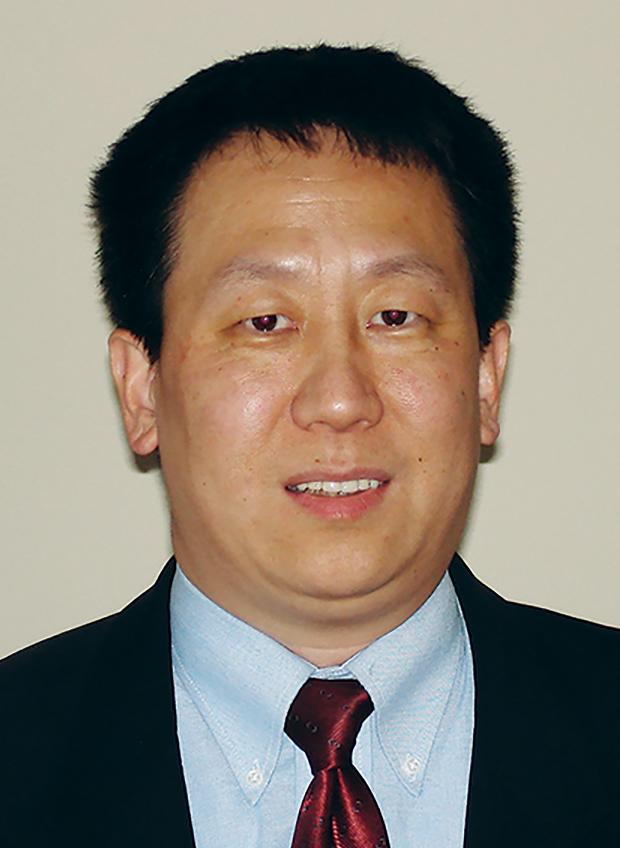
Yu Ding, Georgia Tech: Data Science and Wind Energy
Hosted by Eunshin Byon
Biography
Dr. Yu Ding is the Anderson-Interface Chair and Professor in the H. Milton Stewart School of Industrial and Systems Engineering at Georgia Tech. Prior to joining Georgia Tech, he was the Mike and Sugar Barnes Professor of Industrial and Systems Engineering at Texas A&M University. Dr. Ding’s research is in the area of data & quality science and system informatics. He is the author of the CRC Press book, Data Science for Wind Energy and a co-author of the Springer Nature book, Data Science for Nano Image Analysis. His research work is recognized by the 2019 IISE’s Technical Innovation Award, 2022 INFORMS’ Impact Prize, 2024 IISE Energy Systems Division’s Career Achievement Award, 2024 ASME’s Blackall Machine Tool and Gage Award, and 2024 SME’s S. M. Wu Research Implementation Award. Dr. Ding is a Fellow of IISE and ASME, a former Editor-in-Chief for IISE Transactions, and the current Editor-in-Chief of INFORMS Journal on Data Science.
Abstract
Wind energy is one of the fastest-growing clean energy sources. Despite the significant growth in the past two decades, wind energy missed some intermediate goals set forth earlier. One critical element needed for accelerating wind energy growth is to significantly reduce its operational cost and further boost its market competitiveness. In his book, Data Science for Wind Energy, the speaker demonstrated how statistical and machine learning methods can help address research needs in wind energy applications. The speaker will discuss some of the challenges encountered in wind applications and present use cases in which statistical and machine learning models and solutions make sensible impacts.
Synopsis by Martha Christino, 2nd Year PhD Candidate in the School for Environment and Sustainability and the Climate and Space Sciences and Engineering Department
Increasing wind energy penetration in the United States is a critical part of reducing our reliance on fossil fuels and creating a more secure and sustainable energy system. In 2008, the Department of Energy set a goal for our national generation portfolio to include 20% wind energy by 2030, yet in 2020, we struggled to meet a 10% wind energy benchmark. In his seminar on “Wind Energy and Data Science” Dr. Ying addressed this gap and explored opportunities for data science to enhance wind energy adoption and performance.
As Dr. Ding explained, the biggest advantage of wind energy is that the wind fuel source is free. However, along with being free, wind is also intermittent, making its generation capacity at any point variable. Currently, the U.S. provides substantial subsidies to wind energy to reduce the cost and catalyze adoption. Dr. Ding estimated that the cost of the subsidy on wind energy is greater than the cost of the Marshall Plan post WWII.
To make wind more competitive without subsidies, Dr. Ding explained we need solutions in three areas: scalable and safe storage technologies, better forecasting, or a reduction in operations and maintenance costs. Data science is a powerful tool to create solutions to make wind energy more affordable and efficient. Dr. Ding has leveraged data science to better forecast wind energy and reduce operations and maintenance costs.
Dr. Ding walked through his work focusing on improving operations and maintenance of wind farms, which is also described in his book “Data Science for Wind Energy.” Improving projected wind power curves has been a focus of his work, including using a hybrid additive-multiplicative kernel structure to improve equations and using Gaussian processes to reduce temporal overfitting in wind power curve models. Dr. Ding has also worked with machine learning algorithms and economic analysis techniques to estimate the efficiency frontier of individual wind turbines, advancing our understanding of how each turbine can function as an independent generator in a grid. Recently, Dr. Ding has also been using data science to push boundaries in early detection of maintenance needs for turbines.
As Dr. Ding said in his conclusion that we still have a long way to go in wind power adoption. As someone who works on large-scale capacity modeling for energy systems in the U.S., it was very interesting to hear about his work on improving efficiencies at the individual generator scale. Several of the data science techniques Dr. Ding uses at this micro-scale I also apply in macro-scale manners to understand the balance of generation and demand on the Western U.S. electricity grid. Ensuring we have reliable, secure, and sustainable energy sources will require analyses at both levels. Furthermore, if we can achieve the increases in production efficiency Dr. Ding described for each wind turbine in the country, we will significantly increase our generation supply while reducing costs for consumers, which has macro-scale impacts on technology development, energy security, and the U.S. economy.
February 20, 2025
Ben Hobbs, Johns Hopkins: Green Power Procurement for Real Emissions Reductions: Accounting and Modelling in Complex Policy and Market Settings
Hosted by Vladimir Dvorkin
Biography
Ben Hobbs earned his PhD from Cornell University. He has been at JHU since 1995 in what is now the Department of Environmental Health & Engineering, and was previously on the faculty at Case Western Reserve University and the research staff at Brookhaven and Oak Ridge National Labs (US). The work reported here was conducted while on sabbatical at the Florence School of Regulation; he has had previous sabbaticals at University of Washington, CalTech, Comillas Pontifical University, the Netherlands Energy Research Center, and Cambridge University. He is a Life Fellow of IEEE and Fellow of INFORMS, and received a Presidential Young Investigator Award from President Reagan. He is a member of the State of Maryland’s (Climate) Mitigation Work Group and vice-chair of that state’s Air Quality Control Advisory Council. He chairs the California power market’s surveillance committee.
Dr. Hobbs leads EPICS, a NSF Global Climate center focusing on managing renewable-dominated power systems. This center is a collaboration with Imperial College, University of Melbourne, CSIRO, Georgia Tech, Resources for the Future, and UC Davis. Dr. Hobbs also participates in the Baltimore Socio-Environmental Collaborative, where his group’s CityHEAT model is a key tool for organizing and communicating information on heat wave strategies.
Abstract
Multiple market failures along with policies at federal and state levels make it difficult to predict the net systems and emissions cost impact, in both the short- and long-run, of corporate and government green power procurement strategies. I define a suite of research questions that need to be addressed to understand whether such strategies are efficient means to reduce emissions, ineffectual, or even counter productive. Market models are proposed, based on equilibrium and Stackelberg formulations based on optimization and complementarity methods, to address those questions.
Synopsis by Md. Rafiul Abdussami, 2nd Year PhD Candidate in Nuclear Engineering and Radiological Sciences
The seminar on “How to Procure Green Power for Real Emissions Reductions? Accounting & Modelling in Complex Policy & Market Settings” was presented on January 20, 2025, by Professor Benjamin F. Hobbs, a leading expert in environmental management and energy market analysis. The talk focused on the challenges of ensuring corporate green power procurement translates into real emissions reductions. Prof. Hobbs emphasized the complexities of accounting, market structures, and policy interactions.
At the beginning of the seminar, Prof. Hobbs outlined the motivations for corporate green procurement, driven by corporate demand for sustainability (demand pull) and the need for struggling clean energy to find market value (supply push). He highlighted that voluntary corporate procurement has contributed to 40% of U.S. Variable Renewable Energy (VRE) additions in the past decade, which shows the growing influence of corporate actions on the energy market.
A critical part of the discussion centered on emissions accounting methods, particularly the GHG Protocol’s Scope 1, 2, and 3 classifications. Prof. Hobbs demonstrated how corporate sustainability goals often rely on Renewable Energy Credits (RECs) and Power Purchase Agreements (PPAs) to reduce Scope 2 emissions. However, he warned that traditional attributional accounting methods can misrepresent the actual emissions impact of green procurement, as they fail to capture market-driven changes in the power system. Instead, he explained consequential accounting, which assesses the impact of procurement decisions on real-world emissions. He emphasized the importance of accurately representing emissions in future decisions by distinguishing between short-run and long-run marginal emissions.
The talk then explored policy frameworks for decarbonization, contrasting first-best policies (carbon pricing on Scope 1 emissions) with second-best alternatives, such as sector-specific incentives, border adjustments, and corporate sustainability mandates. While systemic carbon pricing is theoretically ideal, incomplete sectoral and geographic coverage often necessitates a patchwork of second-best policies. A key modeling insight presented in the seminar was the role of market structures in green procurement effectiveness. Prof. Hobbs explored an equilibrium model illustrating how corporate procurement can influence market dispatch and emissions, investment in new capacity, and the integration of storage solutions. A notable takeaway from this discussion was that hourly green procurement might be more effective than annual targets, but it comes with higher storage costs if the Renewable Portfolio Standard (RPS) is binding.
In the end, Prof. Hobbs emphasized that second-best policies like the GHG Protocol should not be prioritized at the expense of efficient emissions trading and carbon pricing. While corporate procurement and voluntary programs play a role, relying too heavily on them without a systemic carbon pricing mechanism can divert resources to ineffective and complex accounting mechanisms rather than actual emissions reductions. He focused on the need for reliable, cost-effective GHG offsets that accurately reflect net emissions reductions and account for displacement, leakage, and long-term investment impacts for effective green procurement and emissions tracking. He also emphasized avoiding excessive complexity in emissions accounting, which shuffles emissions between sources rather than achieving real environmental benefits.
The seminar provided me with a compelling deep dive into the subtle reality of corporate green power procurement. While companies increasingly engage in voluntary renewable purchases, the seminar emphasized that not all procurement strategies are equally effective in achieving real decarbonization. The discussion on attributional vs. consequential emissions accounting is fascinating to me, as it challenged conventional corporate sustainability reporting and stressed the importance of systemic modeling in evaluating green power impact. I found the discussion on marginal emissions and equilibrium models quite interesting. I agree with Prof. Hobbs that market-based policies alone are insufficient without proper accounting frameworks to measure their effectiveness accurately.
February 27, 2025
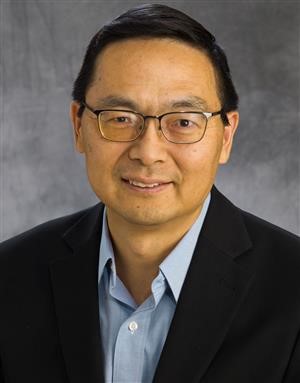
Huimin Zhao, UIUC: Synthetic Biology 2.0: the Dawn of a New Era
Hosted by Fei Wen
Biography
Dr. Huimin Zhao is the Steven L. Miller Chair of chemical and biomolecular engineering and professor of chemistry, biochemistry, and bioengineering at the University of Illinois at Urbana-Champaign (UIUC), director of NSF AI Institute for Molecule Synthesis (moleculemaker.org), NSF iBioFoundry, and NSF Global Center for Reliable and Scalable Biofoundries, and Editor in Chief of ACS Synthetic Biology. He received his B.S. degree in Biology from the University of Science and Technology of China in 1992 and his Ph.D. degree in Chemistry from the California Institute of Technology in 1998 under the guidance of Nobel Laureate Dr. Frances Arnold. Prior to joining UIUC in 2000, he was a project leader at the Industrial Biotechnology Laboratory of the Dow Chemical Company. He was promoted to full professor in 2008. Dr. Zhao has authored and co-authored over 450 research articles and over 30 issued and pending patent applications. In addition, he has given over 510 plenary, keynote, or invited lectures. Thirty-eight (38) of his former graduate students and postdocs became professors or principal investigators around the world. Dr. Zhao received numerous research and teaching awards and honors such as AIChE Daniel I.C. Wang Award, AIChE FP&B Division Award, ECI Enzyme Engineering Award, ACS Marvin Johnson Award, SIMB Charles Thom Award, and NSF CAREER Award. His primary research interests are in the development and applications of synthetic biology, machine learning, and laboratory automation tools to address society’s most daunting challenges in health, energy, and sustainability.
Abstract
Synthetic biology aims to design novel or improved biological systems using engineering principles, which has broad applications in medical, chemical, energy, food, and agricultural industries. Thanks to rapid advances in DNA sequencing and synthesis, genome editing, artificial intelligence/machine learning (AI/ML), and laboratory automation, synthetic biology has entered a new phase of exponential growth. In this talk, I will highlight our recent work on the development of AI/ML tools for synthetic biology and an AI-powered self-driving biofoundry for enzyme, pathway, and metabolic engineering. Particularly, I will discuss how these tools can be used collectively to rapidly engineer microorganisms for production of fuels and chemicals from renewable feedstocks, which represents a more energy-efficient and sustainable alternative to the traditional petroleum-based chemical and energy manufacturing processes.
Synopsis by Jisu Yang, 2nd Year PhD Candidate in Environmental Engineering
Professor Huimin Zhao’s seminar focused on integrating AI, machine learning, and laboratory automation with synthetic biology to accelerate the development of biological systems. The focus of this integration is to enhance the traditional design-build-test-learn cycles crucial for biotechnological advancements in terms of sustainable manufacturing and energy systems. His research involves leveraging AI to predict protein functions and engineer systems for various applications, from the discovery of natural products to engineering microbial cell factories aimed at transitioning from petroleum-based to bio-based chemical and material production. This shift not only addresses the sustainability of energy production and utilization but also utilizes renewable feedstocks, providing a greener alternative to conventional energy systems.
Professor Zhao’s research team is also actively addressing the specific challenges in synthetic biology, particularly the limitations in enzyme catalysis. They employ an innovative method that combines enzyme and photocatalysts under mild conditions, enhancing enzyme functionality and allowing radical transformations necessary for synthesizing complex molecules.
The application of synthetic biology in developing biochemical production is exemplified by the engineered yeast strains capable of efficiently producing succinic acid in low pH conditions. This innovation involved creating specific genetic tools for a non-model organism, which eliminated the need for neutralizing agents during fermentation and purification, thereby reducing both operational costs and waste production. This development not only offers a cost-effective alternative to traditional chemical synthesis but also underscores the economic and environmental potential of biotechnologically engineered products.
Building on the advancements in synthetic biology, AI-driven autonomous experimentation is setting a new standard for efficiency and precision in the field. AI models are used to predict mutations and pathways to enhance biological functions, and these predictions are then executed by robotic systems. This automation reduces human error and significantly accelerates the experimental process, allowing for rapid iterations and adjustment based on high-quality data feedback. For instance, in one study, AI was utilized to create 138 pathway variants, dramatically reducing the effort to less than 1% of all possible combinations. The approach spans a wide range of applications, including protein and metabolic engineering, where tasks range from identifying target products and designing DNA to selecting promoters, terminators, and enzymes that strengthen microbial cell performance. It also drives discoveries of novel molecules, such as organic photovoltaics solar cells with improved material properties, while optimizing processes like fermentation and downstream operations critical to biofuel production. By quickly testing and refining diverse conditions, robotic systems amplify AI’s capacity to streamline development pipelines and open up new possibilities in synthetic biology.
Reflecting on the seminar, it is evident that the integration of AI and automation in synthetic biology can profoundly impact energy systems and solutions. This approach can enhance the development of bio-based solutions like biofuels and bioplastics, aligning with global shifts toward renewable energy sources. By optimizing bioprocesses through AI-driven synthetic biology, we can engineer biological systems with improved functions. A major advantage of this integration is the acceleration of research and development, which facilitates quicker innovation and shortens the time from discovery to deployment of new energy solutions. Such advancements promise a faster response to environmental challenges and more sustainable energy practices.
March 13, 2025

Katherine Chou, NREL: Bio-Hydrogen from Organic Wastes – Promises, Challenges, and Innovations
Hosted by Joshua Jack
Biography
Katherine Chou is a Group Research Manager and Senior Scientist at the National Renewable Energy Laboratory (NREL) based in Golden, Colorado. She currently serves as the Director of the national lab-led BioH2 Consortium supported by the U.S. Department of Energy H2 and Fuel Cell Technologies Office to develop microbial, dark fermentation technologies for economic, clean H2 production using lignocellulosic biomass as the feedstock. Her research focuses on genetic engineering of microbial systems and synthetic biology. Katherine received her Ph.D. in Chemical and Biomolecular Engineering in 2010 from UCLA (University of California at Los Angeles) where she also received B.S. and M.S. degrees in Chemical Engineering. At NREL, she received twice the President’s Award in 2017 and 2019, twice the Outstanding Mentor Award in 2015, 2017, the Science & Technology Publication award in 2017.
Abstract
The global hydrogen (H2) demand has reached more than 95 million metric tons (MMt) in 2023 and is projected to reach more than 150 MMt by 2030. However, most of the hydrogen produced to date is fossil-fuel based, releasing ~10 kg of carbon dioxide for every kilogram of hydrogen produced and raising concerns about its environmental impact. As there is growing interest in clean hydrogen, the U.S. Department of Energy initiated the “Hydrogen Energy Shot” that sets the ambitious goal of reducing the cost of clean hydrogen production to $1 per kilogram in a decade (“1-1-1”). While technologies that split water molecules to make hydrogen using electricity is presumed the first low-carbon H2 technology to market, biohydrogen produced from biomass wastes provides a decarbonizing potential beyond water-electrolysis. Biohydrogen also serves as a niche technology that cleans up and monetizes waste for renewable hydrogen generation. For this seminar, I will present my research group’s recent progress on developing microbial technologies that convert waste biomass (i.e., lignocellulose) into hydrogen and the projected social and environmental benefitsassociated with biohydrogen.
Synopsis by Renata Starostka, 4th year PhD Candidate in Environmental Engineering
This seminar, presented by Dr. Katherine Chou, Group Research Manager and Senior Scientist at the National Renewable Energy Laboratory (NREL), explored her research in bio-derived hydrogen (H2) as a sustainable energy source and decarbonization tool. Dr. Chou introduced the global rise in hydrogen demand (97 million tonnes as of 2023) and the environmental impacts of conventional production methods reliant on fossil fuels. She introduced bio-hydrogen as a promising alternative, achieved through biochemical processes that convert waste biomass into hydrogen, contributing to the decarbonization of energy systems.
Bio-hydrogen production utilizes waste plant biomass, notably lignocellulose, a renewable resource abundant in organic waste materials like corn stover, nutshells, and coffee grounds. These materials undergo microbial dark fermentation, aided by bacterial catalysts, to produce hydrogen. Dr. Chou noted that this process is referred to as “dark fermentation” because other transformations of lignocellulose often require light for photosynthesis, while fermentation does not require light. This approach can achieve a carbon-neutral output, and potentially even net-negative carbon emissions when integrated with other renewable energy sources like wind and solar and complemented by carbon capture and storage (CCS). The current project is currently achieving costs of about $5.5 per kilogram of hydrogen using dark fermentation in combination with microbial electrolysis cells (MECs), and is ultimately aiming for a cost target of$2 per kilogram.)
Within a single mole of glucose, the theoretical maximum hydrogen production is 4 moles from dark fermentation and 8 additional moles from MEC technology. However, one of the challenges in using lignocellulosic biomass is the combination of lignin, hemicellulose, and cellulose and the need for hydrolysis to convert these recalcitrant materials to glucose. In a conventional approach, a strong base is used to break down and separate lignin, followed by an acid pretreatment to get rid of or convert hemicellulose to cellulose. The cellulose is then broken down to glucose using enzymes that are produced commercially.
In an effort to reduce bioH2 production costs, Dr. Chou’s research uses Clostridium thermocellum (C. thermocellum), which eliminates the need for industrially produced enzyme by naturally producing hydrolysis enzymes. s. Additionally, her work modified bacterial strains to use xylose, a component of hemicellulose. When the xylose was unavailable because the enzymes needed to convert xylan and arabinose to xylose were not present, they were able to engineer additional strains to break down the xylan and arabinose in hemicellulose to xylose and use it for hydrogen production at nearly the same rates as the original strain could use glucose. By doing this, they were able to more than double the hydrogen production from common lignocellulosic feedstocks.
Further innovations for optimizing microbial processes were discussed, such as the application of riboswitches for gene regulation and the possibility of utilizing C. thermocellum at temperatures above 73C to inhibit methanogenesis and eliminate the need for sterilization. Dr. Chou emphasized the potential scalability of this technology, mentioning successful fed-batch fermentation trials and the promise of integrating this process with MECs to improve efficiency and further reduce costs.
Dr. Chou concluded with the socio-economic and environmental benefits of bio-hydrogen, saying, “Decarbonizing potential is everywhere!” It holds potential not only as a clean energy or carbon capture solution but also in waste management by monetizing waste and supporting decentralized hydrogen production that can aid local farming and developing economies.
As someone who also studies microbial fermentation reactions for energy production, I am curious how some of the energy, cost, and other trade-offs measure up in the life cycle assessment. For example, how does sterilization for use of single-species fermentations compare to mixed cultures, where bacteria can work together to get similar results, or chemical inhibition of only specific microorganisms (like methanogens)? Some other species are much better at breaking down lignin or hydrolyzing large particles at lower temperatures – could they work with the genetically modified C. thermocellum? Additionally, how do the high temperatures needed affect the energy inputs to the system? I am curious about the carbon cycle in this process, since the heating, mixing, and pumping would all require energy, which is currently often carbon-based, and am curious what happens to the carbon remaining in the biomass at the end of fermentation. I am also curious how the separation of hydrogen from carbon dioxide, the other gas that is produced, is performed and if it requires additional energy inputs. However, I believe this is a huge step in the right direction to reduce carbon emissions from hydrogen production, especially as electricity is also decarbonized. I really appreciated the emphasis on decentralized hydrogen production on-site where different homogenous waste streams are produced. I think that energy, waste, and water sectors are all shifting towards a more decentralized organization because it is often easier to optimize, and I think that working together on these decentralization efforts will also help optimize the technologies. Having many different types of energy in many different locations will help build grid resilience and stabilize large fluctuations in energy demand and generation.
March 20, 2025 – Two-Part co-organized Seminar – IES & EWRE
On March 20th, IES and EWRE are partnering to host Bruce Logan for a two part seminar, with the first part hosted by IES from 3:30 to 4:15 pm in 1003 EECS and the second part hosted by EWRE from 4:30 to 5:30 pm in 2505 GGB. We encourage attendants to join for either or both parts of the seminar.
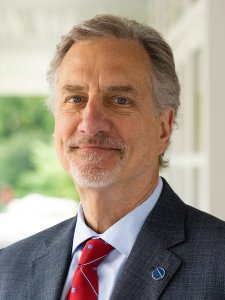
Bruce Logan, Penn State: Part 1) Innovations in Green Hydrogen using Novel Water Electrolyzers and Microbial Electrolysis Cells; Part 2) How to Effectively Communicate Energy Use and Carbon Emissions to Experts and the Public
Hosted by Lutgarde Raskin
IES Seminar: Add to Calendar
EWRE Seminar: Add to Calendar
Biography
Professor Bruce Logan the Director of the Institute of Energy and the Environment (IEE) and an Evan Pugh University Professor in the Department of Civil & Environmental Engineering at Penn State. His research is focused on renewable energy production, energy sustainability of the water infrastructure, hydrogen gas production using water electrolysis, and climate and energy education. He is the author or co-author of several books and over 550 refereed publications (>122,000 citations, h-index=172). He is a member of the US National Academy of Engineering (NAE), the Chinese Academy of Engineering (CAE), and a fellow of AAAS, AEESP, and several other organizations.
Abstracts
IES Abstract: Hydrogen gas is needed for our energy infrastructure but H2 should be made with limited CO2 emissions. Two methods of green (no fossil fuels) H2 production discussed here are: water electrolyzers (WE) using impaired (salty) water; and microbial electrolysis cells (MECs) fueled by organic matter. A WE developed in my lab uses thin-film composite (TFC) membranes (mass manufactured for seawater desalination) and separately contained salty solutions. These systems can achieve performance equivalent to those using expensive ion exchange membranes. We have recently developed new MEC architectures that enable improved H2 generation rates using electricity-generating bacteria. I will also discuss an alternative to production of H2 is a bioelectrochemical system that produces renewable methane from water splitting coupled with methanogens on biocathodes. These different electrochemical-based processes could enable more economical directions in green H2 or CH4 production to help decarbonize our energy infrastructure.
EWRE Abstract: Addressing climate change may be the greatest environmental challenge of the century but many of us have only a limited understanding of how our own energy use translates into CO 2 emissions. Part of the challenge is that energy is expressed in so many different units such as Calories, gallons of gasoline, gigajoules, and billions of kilowatt hours. Addressing energy use and carbon emissions requires that we have more understandable ways to describe energy use and how to couple it to carbon emissions. In this talk I introduce a new approach based on normalizing energy use to the food we eat as 1 D, and CO2 emissions from that food (1 C). With this basis for energy consumption and carbon emissions we will become better prepared for understanding where energy use reductions will be the most impactful in addressing CO 2 emissions.
Synopsis by Renisha Karki, 4th Year PhD Candidate in Environmental Engineering
In his seminar talk, Professor Bruce Logan discussed two complementary approaches to hydrogen production: electrochemical systems using water electrolyzers and bioelectrochemical systems using microbial electrolysis cells (MECs). His talk addressed real-world constraints—cost, water purity, energy efficiency, and membrane stability—that limit the scalability of green hydrogen technologies As both a clean fuel and a storable energy carrier, hydrogen can play a central role in future energy systems, helping stabilize the grid when solar and wind output fluctuate, supporting decarbonization in industries, and providing backup energy during disruptions.
Hydrogen, with its high energy density of 33 kWh/kg, is positioned as a key decarbonization tool for hard-to-electrify sectors like aviation and freight. However, over 95% of current hydrogen is produced from fossil fuels, contributing around 2.2% of global CO₂ emissions. Green hydrogen, made via water electrolysis powered by renewables, offers a carbon-neutral alternative but requires ultra-pure water and expensive ion-exchange membranes (e.g., Nafion), which degrade in the presence of chloride ions commonly found in seawater. To overcome this, Professor Logan’s team proposed using thin-film composite (TFC) reverse osmosis membranes, originally developed for desalination, as a cost-effective alternative. Experimental and modeling results showed that brackish water RO membranes had low resistance, good selectivity, and performed comparably to commercial membranes. By removing resistive support layers, applying dual active layers, and using charge-selective coatings, the team minimized chloride crossover and improved energy efficiency. Additional strategies, such as vapor-fed anodes and pH gradient optimization, demonstrated the potential to use lower-grade water sources for green hydrogen production.
The second half of the talk focused on MECs, which generate hydrogen by pairing microbial breakdown of organic waste with a low external voltage. These systems offer lower energy requirements than water electrolysis, but face scale-up challenges like hydrogen loss to methanogens and membrane fouling. Professor Logan described a zero-gap, vapor-fed MEC design in which the cathode is exposed to water vapor instead of liquid, allowing only hydroxide ions to cross and naturally buffering pH. This design achieved a 20-fold increase in performance and required just one-tenth of the electricity needed for conventional water electrolysis. Since the waste biomass is essentially free and abundant, this approach presents a promising path for decentralized hydrogen production.
This seminar provided a grounded and technically rich perspective on the future of hydrogen as a clean energy carrier. Rather than relying on idealized assumptions, it emphasized the importance of engineering around practical limitations, such as membrane degradation, water resource constraints, and energy costs. What I found particularly compelling was the speaker’s focus on adapting existing technologies for new contexts, whether through creative membrane configurations or rethinking how microbial systems are integrated into energy infrastructure. These insights were a powerful reminder that achieving scalable, cost-effective energy solutions will require interdisciplinary thinking and design strategies that are innovative and grounded in real-world feasibility.
March 27, 2025

Congcong Wang, MISO: Manage energy transition with market enhancements and technology innovations
Hosted by Ruiwei Jiang
Biography
Congcong Wang is Director, Markets and Grid Research at MISO. She received her PhD, MS in Electrical Engineering and MA in Economics from the University of Connecticut, and her Bachelor in Electrical Engineering from Xi’an Jiaotong University. She spent over ten years in research and Market Design focusing on price formation, market product development and advanced resource modeling, and served as a lead subject matter expert on key MISO market developments in these areas including conceptual design, stakeholder discussions, Tariff filing and implementation. Over the past five years, Congcong joined Operations and built MISO’s Operations Risk Assessment team. This team serves the Uncertainty Management function and played a critical role supporting control room managing through multiple extreme weather events and integrating fast solar growth. She recently joined Markets and Grid Research overseeing the R&D and Strategic Venture functions.
Abstract
Rapid energy transition is driving an increasingly volatile risk profile for Market and Grid Operations. System variations and uncertainties largely increase in their magnitude and arise from multiple dimensions, as traditional “dispatchable” resources are being replaced with weather-dependent intermittent renewables and neighboring grid systems are becoming more interdependent. In addition, net load profiles and availability or adequacy of thermal generation fleet are challenged by more frequent extreme weather events and large load additions. This talk discusses market reforms and technology initiatives at MISO to manage the energy transition. Identifying critical flexibility and reliability attributes and ensuring these attributes are obtained through markets when and where needed are important to reliably and efficiently operate the grid such as MISO’s dynamic reserve and ancillary service deliverability efforts. As many industries adopt Artificial Intelligence (AI) and Machine Learning (ML), MISO is also developing multiple use cases across its markets, operations and transmission planning sectors. Particularly, MISO is building a cloud-based Uncertainty Platform to enable control room centralized situational awareness and data-driven decisions to manage uncertainties in dynamic and probabilistic faction. MISO is also collaborating with its research partners to evaluate emerging transmission technologies and grid following and grid forming services from Inverter-Based Resources.
Synopsis by Juan Estrada, 3rd Year PhD Candidate in Industrial and Operations Engineering
Dr. Congcong Wang’s seminar provided an in-depth overview of the ongoing initiatives led by the Midcontinent Independent System Operator (MISO) Market and Grid Research team. MISO serves over 45 million people across 15 states, managing more than 77,000 miles of transmission lines. As the U.S. power grid undergoes a transformative shift towards decarbonization, decentralization, and digitalization, system operations must adapt to increasing uncertainty and variability. The replacement of dispatchable resources with weather-dependent renewables, coupled with extreme weather events and evolving net load profiles, poses significant challenges to grid stability.
Dr. Wang outlined how MISO’s operations encompass a range of sophisticated problems, from managing day-ahead and real-time energy markets to balancing ancillary services—some of which require decision-making on timescales as short as four seconds. Current operational challenges include sharp net load ramps (e.g., duck curves), winter storm-induced uncertainty affecting thermal generators, and volatile congestion patterns driven by fluctuating wind conditions.
Looking ahead, MISO anticipates a dramatic transformation in its energy mix by 2042, with wind expected to constitute 51% of generation, solar 22%, and a significant decline in gas and coal usage. To address these changes MISO is enhancing its market products and analytics capabilities. MISO is investing in emerging grid technologies, including grid-forming and grid-following inverter-based resources, as well as advanced transmission solutions such as HVDC, dynamic line ratings, and topology optimization. Additionally, with the rise of large-scale electricity consumers like data centers, MISO is prioritizing ramping capabilities and demand-side flexibility.
Dr. Wang highlighted several key innovations, including optimizing unit commitment to better manage solar ramping, improving incentives for battery storage, and deploying AI-driven tools to enhance real-time operations. A particularly notable initiative is MISO’s development of a cloud-based Uncertainty Platform, which centralizes situational awareness and leverages historical data to support data-driven decision-making. Another frontier involves systematically learning from expert system operators by capturing their intuitions and experience. Large Language Models further enhance MISO’s ability to provide real-time insights from multiple data sources, streamlining decision-making processes.
Dr. Wang also underscored the substantial computational demands associated with these advancements. As MISO evaluates cloud-based solutions for machine learning applications, it must also consider the growing energy demands of data centers, which are projected to become a significant portion of the region’s total energy load.
Reflecting on Dr. Wang’s seminar, it is clear that the ongoing energy transition in the United States is fundamentally reshaping the challenges faced by system operators. These developments are introducing new layers of uncertainty, driven by climate variability and increasingly dynamic load patterns, which strain the robustness of traditional grid operations and planning frameworks. A key takeaway from the talk is the critical need for innovative, data-driven solutions that enhance both situational awareness and decision-making under uncertainty. Organizations like MISO stand to benefit significantly from deeper collaboration with the academic community. Research in areas such as uncertainty quantification, stochastic optimization, and machine learning for real-time system monitoring can directly complement MISO’s evolving operational needs. In turn, these partnerships create rich opportunities for academia to engage with high-impact, real-world problems, advancing grid research that is both rigorous and relevant.
Dr. Wang’s call to action for future University of Michigan graduates to pursue careers at MISO highlights this relationship. As the power grid continues to evolve towards greater decentralization, digitization, and renewable integration, there is a growing need for interdisciplinary expertise. The seminar not only highlighted the urgency of adapting the grid to new demands but also for the role of academic institutions in shaping the future of energy systems.
April 3, 2025
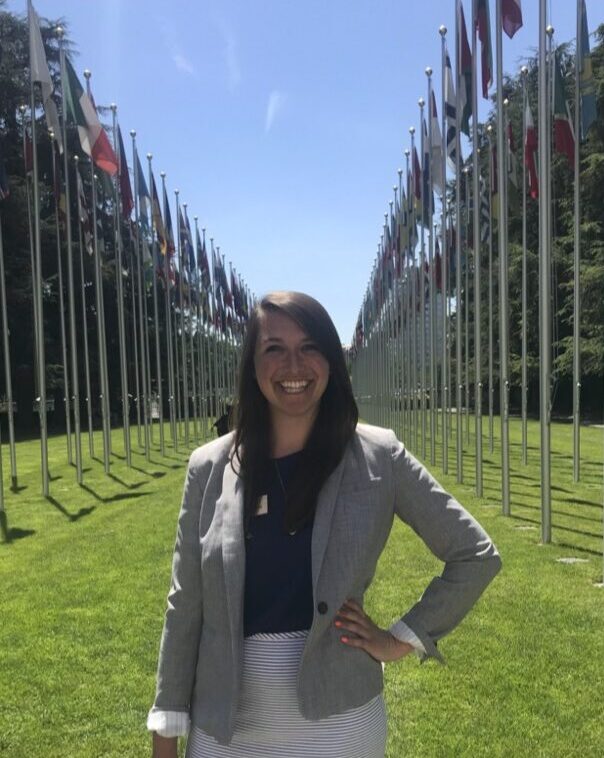
Amanda Ullman, IES: Incorporating Underrepresented Voices and Places into Energy Transition Planning
Internal Speaker
Biography
Amanda Ullman is IES’s new Research Specialist. She recently completed her PhD in Energy Planning at the University of North Carolina at Chapel Hill in May 2024 and her Master of Environmental Management at Duke University (Energy Concentration) in 2020. She is a mixed methods researcher, blending tools like energy modeling, ethnographic research, and literature reviews to develop holistic understandings of global energy systems. In her doctoral research, Amanda used life cycle assessment and ethnographic fieldwork from a Fulbright Fellowship in La Guajira, Colombia to evaluate the environmental and social impacts of policies for sustainable and just energy transitions, particularly in low- and middle-income countries. Her recent postdoctoral work has assessed the local impacts of repurposing abandoned oil and gas wells for geothermal heat extraction.In her role as a Research Specialist for IES, Amanda will be facilitating grant proposal development and energy research at U-M through ideation, grant writing, team coordination, and project management. Her aim is to help foster interdisciplinary research and community building across U-M faculty and disciplines.
Abstract
Proponents of a “Just Energy Transition” call for the benefits and harms accompanying sustainable energy systems to be fairly distributed, repairing injustices from historic energy development and preventing future injustices by ensuring that communities are properly supported through changing energy markets and landscapes. However, the dominant theoretical roots and voices in Just Transition planning have Anglo-European origins. Underrepresentation of perspectives from Latin America and the Caribbean, the Middle East, the African Continent, and Asia and the Pacific may predispose Just Transition plans to structures and philosophies that privilege Anglo-European perspectives. This talk will discuss how quantitative and qualitative tools can help support holistic understandings of energy transitions in low-and-middle-income countries and highlight current gaps in global Just Transition planning. Tools discussed include life cycle assessment, ethnographic interviews, and comparative policy analysis. A case study of La Guajira, Colombia is highlighted to illustrate areas of (mis)alignment between global policies and community conceptualizations of justice in sustainability transitions. Together, these holistic mix of tools can serve to strengthen coordination of global Just Transition plans and improve their applicability to under-represented communities around the world.
April 10, 2025

Clifford Ho, Sandia National Labs: An Overview of Concentrating Solar Power: Opportunities and Challenges
Hosted by Rohini Bala Chandran
Biography
Dr. Cliff Ho is a Fellow of the American Society of Mechanical Engineers and senior scientist at Sandia National Laboratories, where he has worked since 1993 on problems involving solar energy, energy storage, water safety and sustainability, heat- and mass-transfer processes in porous media, microchemical sensor systems for environmental monitoring, nuclear waste management, modeling of airborne pathogen transport and exposure-risk mitigations, and industrial decarbonization. Dr. Ho has authored over 300 scientific papers, holds over 20 patents, and is author and co-editor of three books. He received an Outstanding Professor Award at the University of New Mexico in 1997, and he received the national Asian American Engineer of the Year Award in 2010. Dr. Ho received an R&D 100 Award in 2013 for his development of the Solar Glare Hazard Analysis Tool, and an R&D 100 Award in 2016 for the development of the Falling Particle Receiver for Concentrating Solar Energy. In 2008, he won Discover magazine’s “The Future of Energy in Two-Minutes-or Less” video contest.
From 2022 to 2024, Cliff was on an extended assignment in Washington D.C., serving as a legislative fellow in U.S. Senator Martin Heinrich’s office advising on energy and climate issues.
Abstract
Concentrating solar power (CSP) uses a large array of mirrors to focus sunlight onto a receiver containing a heat-transfer fluid, which absorbs the high heat flux (~100 – 1000 times the sun’s irradiance). A heat engine (e.g., Rankine cycle, Stirling cycle) then converts the heat to mechanical work to generate electricity. CSP systems can produce utility-scale power (hundreds of megawatts) and can store large amounts of thermal energy (gigawatt-hours) for energy production at night or when the sun is not shining. The ability to store large amounts of energy cheaply and reliably gives CSP an advantage over other variable renewable energy sources such as wind and photovoltaics. This presentation will provide an overview and history of CSP, current challenges, and opportunities to address needs in electricity production, industrial heating, and transportation fuels.
Sandia National Laboratories is a multimission laboratory managed and operated by National Technology & Engineering Solutions of Sandia, LLC, a wholly owned subsidiary of Honeywell International Inc., for the U.S. Department of Energy’s National Nuclear Security Administration under contract DE-NA0003525.
Synopsis by Aviad Navon, Research fellow, Department of Industrial and Operations Engineering (IOE) and the School for Environment and Sustainability (SEAS)
Dr. Cliff Ho’s lecture on Concentrating Solar Power (CSP) offered a comprehensive exploration of the technology’s history, research developments and needs, and potential for addressing critical energy needs. He began with an introduction to Sandia National Laboratories, highlighting its $5 billion budget, diverse sectors, and increasing workforce, which provides a strong foundation for cutting-edge solar research. Dr. Ho contextualized CSP within the broader U.S. and global energy landscape, noting that heat (36%), electricity (34%), and transportation (30%) comprise the three main sources of energy demand—each of which CSP is well-positioned to support. He emphasized that while CSP shares much with traditional thermal power plants, its defining feature is the use of concentrated sunlight as the heat source, coupled with low-cost, high-capacity thermal energy storage.
The core of the lecture focused on CSP’s research and development priorities, which are critical to improving its performance, cost-competitiveness, and environmental profile. One major area is heliostat and mirror control—essential for maintaining accurate solar tracking. In parallel, there is a push to develop advanced reflective materials, such as durable mirror films, which could replace fragile glass mirrors if their efficiency and longevity are improved.
Another frontier in CSP research is optical and thermal optimization. Techniques such as spectrum splitting—where certain wavelengths are directed to photovoltaic cells while others heat the receiver—hold promise for hybrid systems. Innovations like anti-soiling coatings aim to reduce performance losses caused by dust accumulation, particularly important in arid regions where CSP is most effective. Dr. Ho also addressed the need to mitigate unintended impacts such as glint and glare, thermal interference with aircraft sensors, and avian hazards from concentrated sunlight.
Receiver design is a major focus area, with efforts underway to develop high-temperature receivers that maximize absorption while minimizing heat losses. Novel designs, such as fractal or bladed receivers, have shown efficiency gains but must overcome durability and cost constraints. Sandia’s work in this area includes the development of bladed receivers that improve the efficiency of traditional cylindrical designs by 5%.
One of the most promising innovations Dr. Ho discussed is particle-based CSP, which uses solid particles instead of molten salt for heat capture and storage. These particles can reach higher temperatures using simpler system designs, enabling more efficient energy conversion and longer-duration storage. Sandia’s upcoming G3P3 test facility will evaluate this technology at scale and may open the door to broader industrial adoption.
Dr. Ho concluded by reinforcing the need for integrated solutions across sectors—thermal, electrical, and chemical—and positioning CSP as a flexible, dispatchable technology that can complement variable renewables. While economic and technical barriers persist, ongoing research and development—coupled with forward-looking policy frameworks—could unlock CSP’s full potential across the electricity, industrial, and transportation sectors.
Reflecting on this seminar, I was particularly struck by the importance of not only improving technical performance but also capturing the full value that a technology like CSP can offer—especially in comparison to competing solutions. Dr. Ho’s lecture underscored how economic feasibility is not purely a function of cost but also of system value (e.g., reliability, flexibility, and integration potential). This reinforced the critical role that regulation plays in advancing technologies with long-term system benefits. Market incentives and policy design can either enable or delay the early adoption of solutions like CSP that may contribute to cost-effective decarbonization and grid resilience. Connecting this to my own research on adaptation of electric distribution systems to climate change, the talk highlighted the need to analyze solutions within the context of evolving energy markets and policy frameworks. I believe it is valuable to study how different market designs and regulatory structures affect the economic feasibility of an emerging technology, such as CSP-related innovations, at varying levels of variable renewable energy penetration. Such analyses can reveal cost and reliability benefits of adopting emerging technologies earlier than current markets typically allow, offering valuable insights for policymakers and industry stakeholders.
April 17, 2025
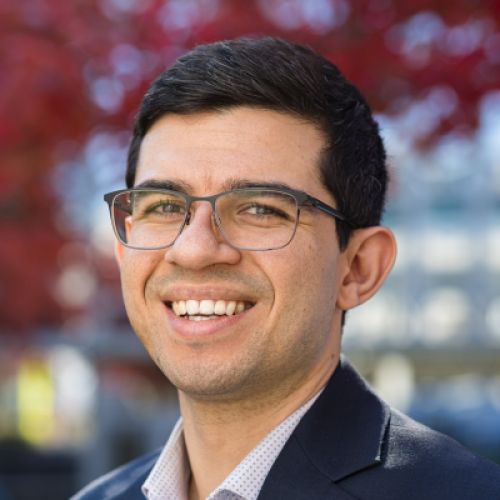
Ivan A. Moreno-Hernandez, Duke University: Understanding Activation and Degradation of Oxygen-evolving Electrocatalysts Across Spatiotemporal Domains
Hosted by Bart Bartlett
Biography
Prof. Ivan A. Moreno-Hernandez is an Assistant Professor in the Department of Chemistry at Duke University. His current research interests focus on the application of electrochemistry to renewable energy, with an emphasis on understanding the structural dynamics of electrochemical materials with liquid phase transmission electron microscopy and the design of next-generation electrocatalysts. Ivan received his B.S. degree in Chemistry and Physics with University Honors from the University of Nebraska-Lincoln in 2014, and his PhD degree as an NSF Graduate Research Fellow in Chemistry from the California Institute of Technology in 2019. His research at Caltech with Prof. Nathan S. Lewis focused on the study of earth- abundant materials for anodic reactions in acidic electrolytes. Ivan was a postdoctoral scholar from 2019 to 2022 in the Department of Chemistry at the University of California, Berkeley, working with Prof. A. Paul Alivisatos on the study of nanomaterials with liquid phase transmission electron microscopy. His independent scholarship has been recognized by several awards, including being named a 35 Under 35 Materials Scientist by Matter, two Scialog Fellow distinctions, an ACS Petroleum Research Fund Doctoral New Investigator award, and an NSF CAREER award.
Abstract
Electrocatalysis has the potential to enable sustainable energy and chemical infrastructures via the generation of commodity chemicals with renewable energy, but electrochemical devices often exhibit inadequate activity and stability due to poor catalyst performance for the oxygen evolution reaction (OER). The Moreno-Hernandez Laboratory specializes in designing new nanomaterials for next-generation energy devices via a multiscale feedback loop that integrates the precise synthesis of nanomaterials, atomic-scale observations of structural dynamics in liquid environments with transmission electron microscopy, and the assessment of electrocatalyst performance under relevant operating conditions. Integration of these approaches has resulted in the discovery of key OER degradation pathways due to nanoscale effects that were previously unknown, the rational design of complex noble metal oxides that exhibit improved catalytic performance towards the OER due to chemical and structural modifications, and the design of low-iridium OER electrocatalysts with that exhibit improved durability under operation. Our studies highlight the importance of multimodal approaches to guide material design and motivate further study of nanoscale effects that can be harnessed to design efficient, earth-abundant, and durable electrocatalysts for sustainable chemical transformations.