
IES PhD Student and Postdoctoral Fellows Program
About the Program
The Institute for Energy Solutions (IES) PhD and Postdoctoral Fellows program is a one-year program that brings together PhD students and postdoctoral scholars at the University of Michigan from diverse disciplines who are interested in advancing future energy solutions via interdisciplinary networks. IES PhD and Postdoctoral Fellows will have the opportunity to share their expertise and gain a broader understanding of energy challenges and opportunities through engagement with each other and the IES team. The fellows will participate in monthly gatherings where they will share energy-related knowledge on current research topics. They are also required to attend the IES Energy Seminar Series and collaborative coffee hours, and can engage directly with visiting seminar speakers.
Program and Application Details
Commitments for PhD and Postdoctoral Fellows:
- Monthly lunch meetings, where each fellow will present their work to other fellows, network with other fellows, and participate in professional development activities
- Participation in IES events including fall and winter networking dinners
- Attendance of weekly IES Energy Seminar Series (>50% attendance of seminars)
- Attendance of bi-weekly IES Collaborative Coffee Hours (>50% attendance of coffee hours)
- Overall, this totals a rough time commitment of 1-2 hours per week
Who is eligible?
Current doctoral students who are in the second year or later of their program and postdoctoral scholars at the University of Michigan (any campus). Participants must be able to participate in person at the U-M Ann Arbor campus throughout the Winter 2027 and Fall 2027 semesters. In-person participation is not required for Summer 2027.
Why participate?
- Join a network of multi-disciplinary PhD and postdoctoral fellow energy enthusiasts
- Broaden your awareness and knowledge about interdisciplinary energy solutions
- Share your domain expertise with other energy scholars in broad disciplines
- Develop and broaden connections with the U-M energy expert community as well as with external energy experts
What is the support and timeline?
- Annual support of $2500 per fellow
- Program duration: January 1, 2027 – December 31, 2027
How to apply?
Complete the online application form which includes the following brief essay question:
Statement of Interest: Why would you like to join the IES PhD and Postdoctoral Fellows Program? What energy-related experience will you share with the fellows? (maximum 200 words)
Supporting documents required:
1. Resume/CV, which should be uploaded within the online application form.
2. Advisor Support Form completed by your advisor. The advisor MUST provide initials for the statement:
“I have read the scope/content of the IES PhD and Postdoctoral Fellows Program and I support my student’s/postdoc’s participation in this program. I acknowledge the time commitment and expectations.”
Application deadline: 11:59 p.m. ET, November 9, 2026
Selection criteria:
- 50% Demonstrated record of energy expertise
- 50% Advisor support form
Meet the 2026 IES PhD and Postdoctoral Fellows
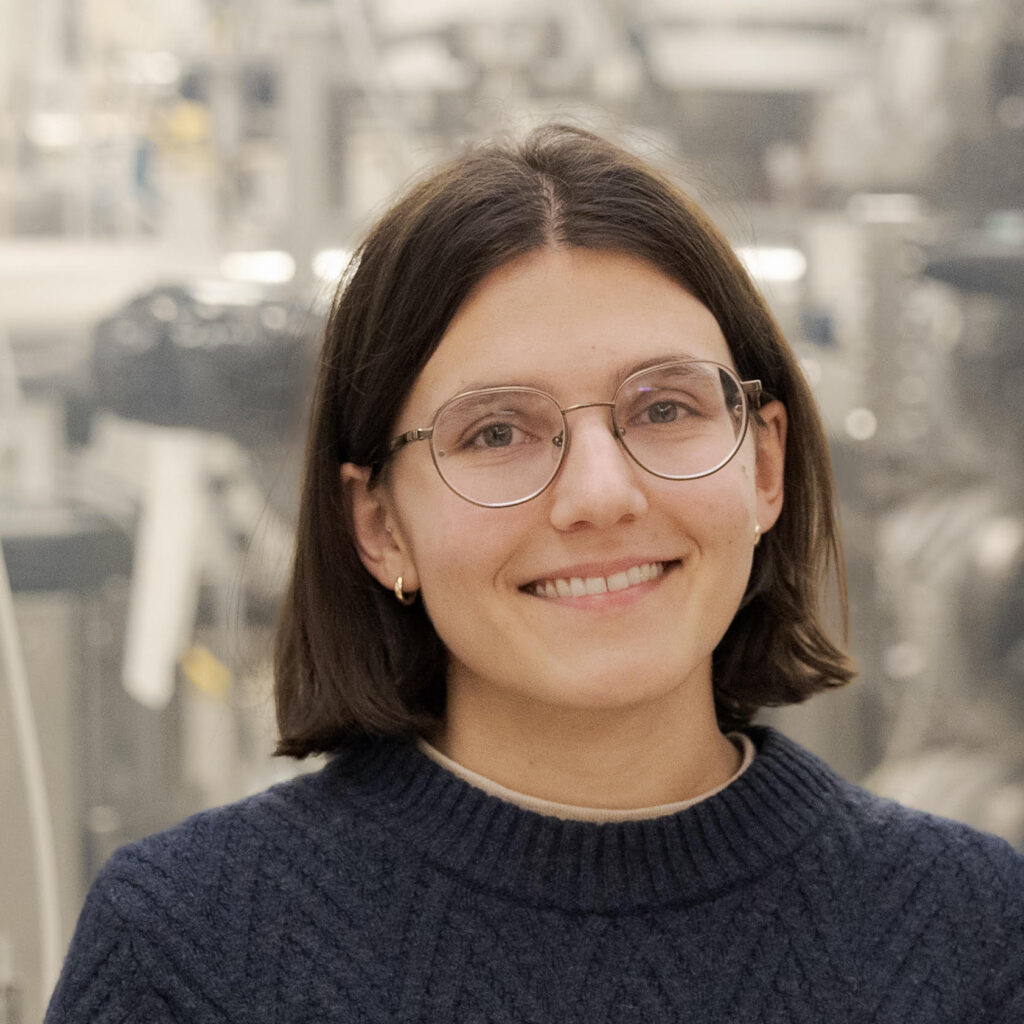
Claire Arneson
Contact: [email protected]
Education:
Postdoctoral Research Fellow in the Department of Electrical and Computer Engineering, University of Michigan, Ann Arbor MI, United States
PhD (2025) and MS (2020) in Physics, University of Michigan, Ann Arbor MI, United States
BS in Physics and Applied Mathematics, University of Wisconsin – Eau Claire, Eau Claire WI, United States
Research:
Claire’s current research addresses energy generation technology, specifically improving the efficiency thin-film organic photovoltaic (OPVs). Three-component, ternary, bulk heterojunctions are used in OPVs to improve spectral coverage and power conversion efficiency. Claire is studying the mechanisms of charge separation and generation in ternary OPVs to understand the origins of open circuit voltage losses and their role in limiting OPV efficiency. Though OPVs do not currently meet state-of-the-art efficiency metrics, they are well-positioned to address other energy system needs including manufacturing and materials availability, easy of deployment, and safe disposal. Claire is interested in studying OPVs and other technologies in this context as well.

Spencer Checkoway
Contact: [email protected]
Education:
2nd Year PhD Student, Joint Between Civil Engineering and the School for Environment and Sustainability
M.S.E. Environmental Engineering, University of Michigan, 2024
M.S. Sustainable Systems, University of Michigan, 2024
B.A. Physics and Architecture, Bard College, 2022
Research:
Spencer’s research aims to integrate methods in LCA/TEA, mathematical modeling, and network optimization for more resilient renewable energy system design. His current work centers on clean hydrogen infrastructure development and ecosystem optimization as part of the MIHydrogen Initiative.
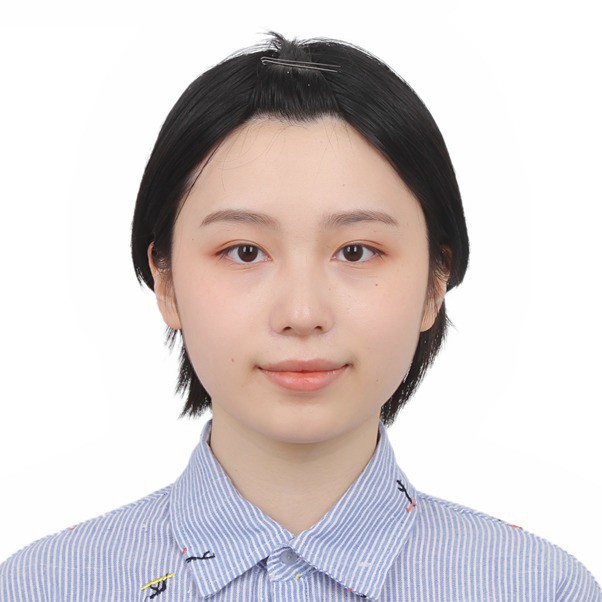
Xin Shen
Contact: [email protected]
Education:
PhD Candidate in the Department of Civil and Environmental Engineering, University of Michigan, Ann Arbor, United States
M.S. in Civil and Environmental Engineering, University of Michigan, Ann Arbor, United States
B.E. in Hydropower and Water Resources Engineering, Sichuan University, China
Research:
I study pumped hydro energy storage (PHS) potential in the Great Lakes region under the supervision of Professor Jeremy Bricker. My research focuses on identifying viable PHS sites, estimating storage capacity, assessing economic feasibility, and examining the environmental and social impacts of such projects. I completed my undergraduate studies in hydropower and water resources engineering and received my master’s training at the University of Michigan, with coursework spanning hydrodynamics, coastal engineering, and energy systems. My work aims to support the future development of water–energy infrastructure in the Great Lakes region.

Prottay Malakar
Contact: [email protected]
Education:
3rd Year Ph.D. Student in Materials Science and Engineering and Scientific Computing, University of Michigan, Ann Arbor, United States
B.Sc. in Mechanical Engineering, Bangladesh University of Engineering and Technology (BUET), Dhaka, Bangladesh
Research:
My research focuses on the mechanistic design of next-generation battery cathode materials using first-principles simulations and scientific machine learning. I work on understanding anion-redox chemistry, electronic structure, and ion transport in lithium-rich oxide cathodes, with the goal of enabling high-capacity and durable energy storage materials.
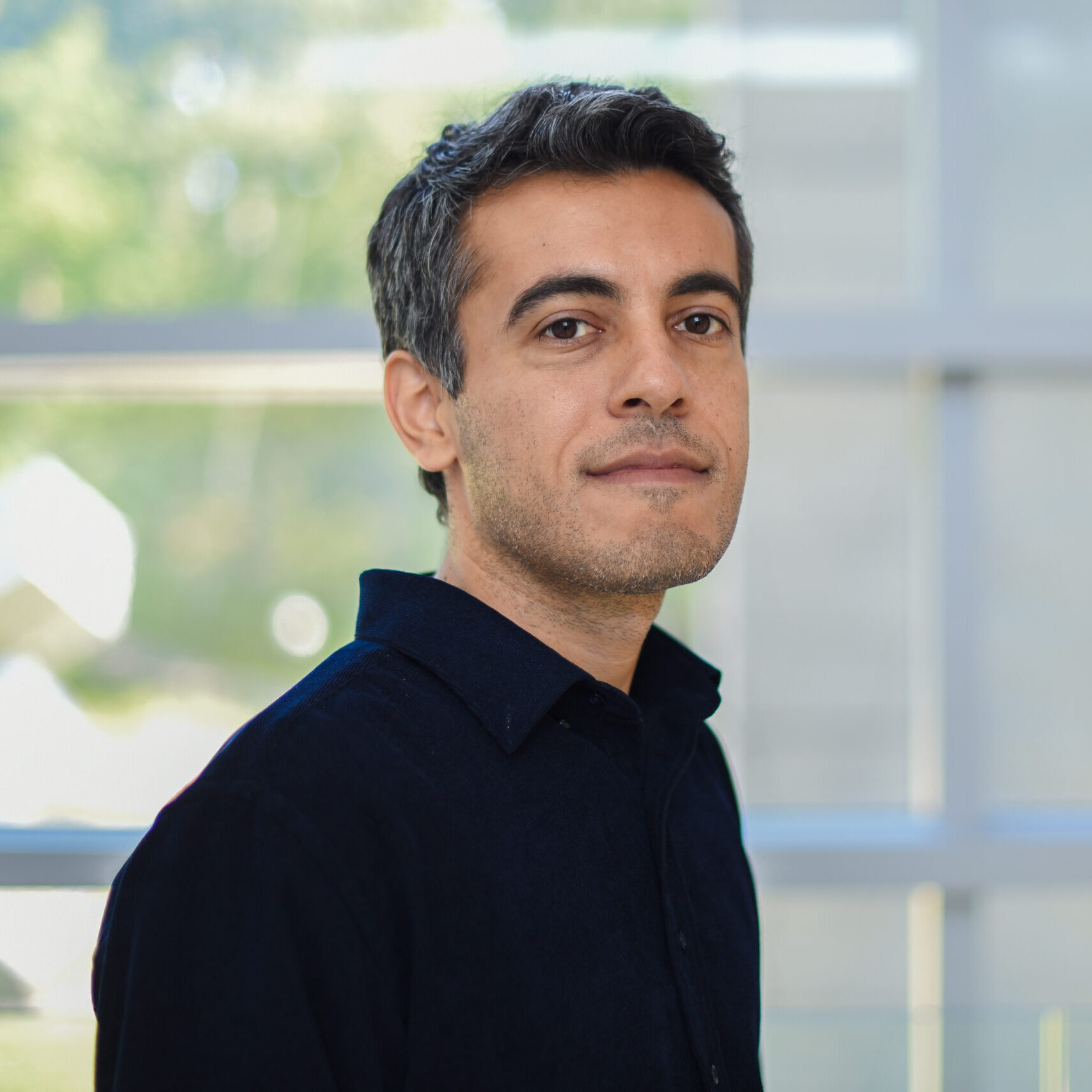
Milad Hosseinpour Valoujaei
Contact: [email protected]
Education:
2nd Year PhD Candidate, Department of Electrical Engineering and Computer Science, University of Michigan
M.Sc., Department of Electrical and Computer Engineering , Tarbiat Modares University, Tehran, Iran
B.Sc., Department of Electrical and Computer Engineering, Babol Noshirvani University of Technology, Babol, Iran
Research:
My primary research interests lie in generative models, trustworthy machine learning, and information theory, with applications to modern power and energy systems. I focus on developing reliable data-driven decision-making tools that provide rigorous guarantees on uncertainty, robustness, and privacy. Methodologically, my work draws on ideas from diffusion models, differential privacy, conformal prediction, and sequential inference. I am currently working on an anomaly detection framework for power systems based on sequential changepoint detection, aiming to enable timely and reliable identification of emerging system-wide events.
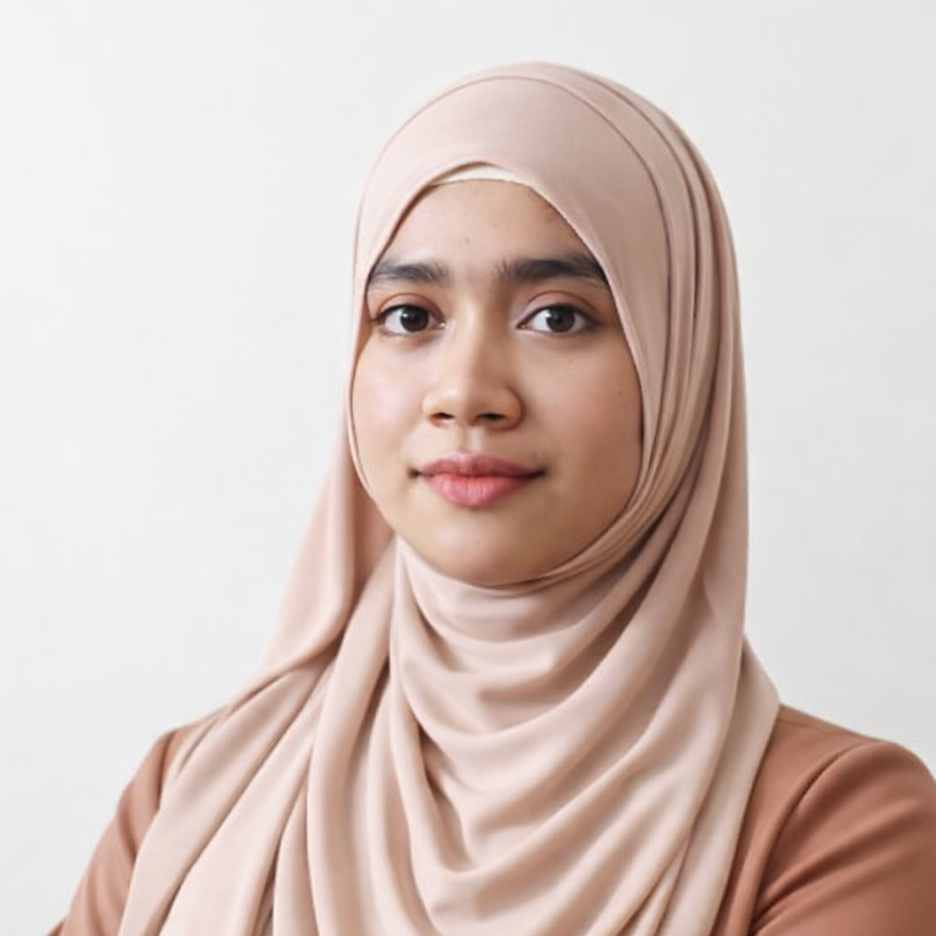
Umme Mahbuba Nabila
Contact: [email protected]
Education:
3rd Year PhD Student in the Department of Nuclear Engineering and Radiological Sciences,
MSc Department of Nuclear Engineering | University of Dhaka, Bangladesh
BSc Department of Nuclear Engineering | University of Dhaka, Bangladesh
Research:
Nabila’s research focuses on GenAI-enabled digital twin frameworks for nuclear and energy systems, integrating physics-based modeling with machine learning and uncertainty quantification. Her work emphasizes active learning and generative models to improve data efficiency and enable autonomous control of complex thermal-hydraulic systems.
Apoorva Roy
Contact: [email protected]
Education:
3rd Year PhD Candidate in the Department of Mechanical Engineering, University of Michigan, Ann Arbor, United States
M.S., Mechanical Engineering, University of Michigan, Ann Arbor, United States, 2022
B.Tech, Mechanical Engineering, Delhi Technological University, New Delhi, India, 2018
Research:
The proliferation of electric vehicles will lead to an estimated 1MWh of out-of-warranty battery packs by 2030 which will have substantial amounts of energy, leading to their continued usage in “second-life” applications such as energy storage systems supporting the grid or providing residential power backup. My research focuses on strengthening the battery circular economy by developing data-driven algorithms that ensure the performance and safety of second-life battery assets through forecasting their remaining useful life and preventing potential failures.

Miki Tsuchiya
Contact: [email protected]
Education:
2nd Year PhD Candidate, School for Environment and Sustainability
Master of Development Practice, University of California, Berkeley, 2021
B.Eng. in Environmental Engineering, University of Tokyo, 2015
Research:
Miki’s research aims to quantify the social and private cost-benefit of clean energy solutions. Her interests include sustainable transportation technologies, such as vehicle electrification and automation. She integrates technoeconomic analysis with lifecycle analysis, geospatial analysis, and energy system modeling to evaluate the impact of the widescale deployment of these technologies.
Sophie Kochanek
Contact: [email protected]
Education:
2nd Year PhD Student in the Department of Civil and Environmental Engineering, University of Michigan, Ann Arbor, United States
MS Department of Civil and Environmental Engineering, Carnegie Mellon University, Pittsburgh, United States
BS Department of Civil and Environmental Engineering, Carnegie Mellon University, Pittsburgh, United States
Research:
My research investigates materials to catalyze the electrochemical reduction of carbon dioxide into sustainable fuels and chemicals, like green methanol, which offers a unique way to decarbonize the transportation and chemical synthesis industries. As global warming intensifies, the need for low-carbon fuels and chemicals has not been filled by mainstream electrification and energy storage methods. My work seeks to offset the emissions from these large industrial sectors and contribute to the understanding of catalyst design for electrochemical processes.

Md Arifuzzaman Faisal
Contact: [email protected]
Education:
2nd Year PhD Student in the Department of Nuclear Engineering and Radiological Sciences, University of Michigan, Ann Arbor, United States
M.Sc. in Electrical and Computer Engineering, Michigan State University, United States
B.Sc. in Electrical and Electronic Engineering, Bangladesh University of Engineering and Technology, Bangladesh
Research:
My research focuses on terahertz (THz) vacuum electronic devices and anisotropic charge transport in layered 2D materials. I develop analytical models and perform simulations to understand and optimize plasma physics phenomena such as beam–wave interactions, and I investigate current crowding in thin films to support the development of energy-efficient next-generation electronic and plasma systems.

Seungwon Rha
Contact: [email protected]
Education:
3rd Year PhD candidate in Chemical Engineering, University of Michigan
M.S. Chemical Engineering, University of Michigan, 2024
B.S. Chemical Engineering, University of Illinois Urbana-Champaign, 2023
Research:
Seungwon’s research focuses on high-efficiency thermophotovoltaic (TPV) energy conversion using III–V semiconductor devices, with an emphasis on integrating advanced optical and electrical designs to improve efficiency, power density, and reliability.

Xinxin Yao
Contact: [email protected]
Education:
Postdoctoral Research Fellow, Mechanical Engineering, University of Michigan, USA
Ph.D., Mechanical Engineering, Dalian University of Technology, China, 2023
B.S., Mechanical Engineering, Wuhan University of Science and Technology, China, 2016
Research:
My research integrates computational materials science, data-driven modeling, and multiphysics simulation to understand and optimize advanced manufacturing processes. It spans particle transport, laser-material interactions, grain structure evolution during additive manufacturing, recrystallization mechanisms in gradient-grained metals, and binder migration in battery electrode manufacturing. By developing high-fidelity numerical models across multiple length scales, I provide predictive insights that bridge processing conditions with microstructural outcomes.
Prior Cohorts
IES PhD and Postdoctoral Fellows Profiles – 2026